Fair Wages: The Human Cost
A garment cannot be considered beautiful if it is born from exploitation. The chicest brands in the world are those that treat their garment workers with the respect and compensation they deserve.
Minimum vs. Living Wage
In many production hubs, the legal minimum wage falls drastically short of a living wage. A living wage ensures a worker can afford basic needs: food, housing, healthcare, education, and some discretionary income. Ethical brands publicly commit to paying a living wage and invite third-party audits (such as SA8000 or Fair Trade Certification) to verify their claims.
Supply Chain Transparency
Mapping the Shadows
Fast fashion relies on opaque, multi-tiered supply chains where subcontracting obscures human rights violations. The modern ethical brand publishes its complete factory list, highlighting exactly where, how, and by whom each garment is made. Transparency is the first step toward accountability.
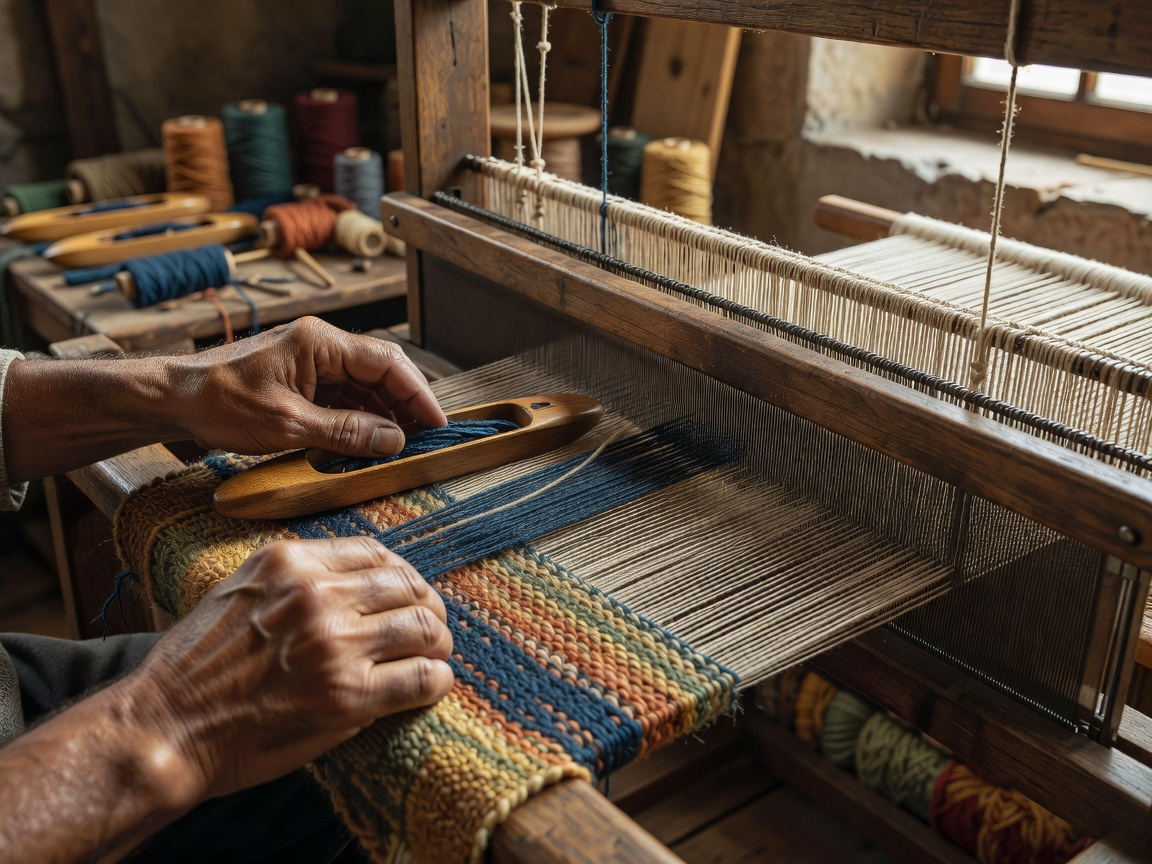
Preserving Craft
Beyond fair wages, ethical fashion champions the preservation of traditional textile arts, empowering rural communities and maintaining cultural heritage.